PhD Research · Keele University & UHNM NHS Trust

Bedside Clinical
Guidelines

A mobile iOS application delivering evidence-based clinical guidelines at the point of care, co-designed with NHS clinicians.

5 peer-reviewed papers  ·  15 design recommendations  ·  Deployed within NHS Trust

The Problem

Clinical guidelines designed for print, not for the point of care.

150 NHS clinical guidelines exist as dense Word documents and PDFs, pages of tightly formatted text, complex decision flowcharts, manual drug-dosing equations, and tables that require scrolling across on a phone screen. Clinicians need answers in seconds. The original formats were not designed for that reality.
Original guideline
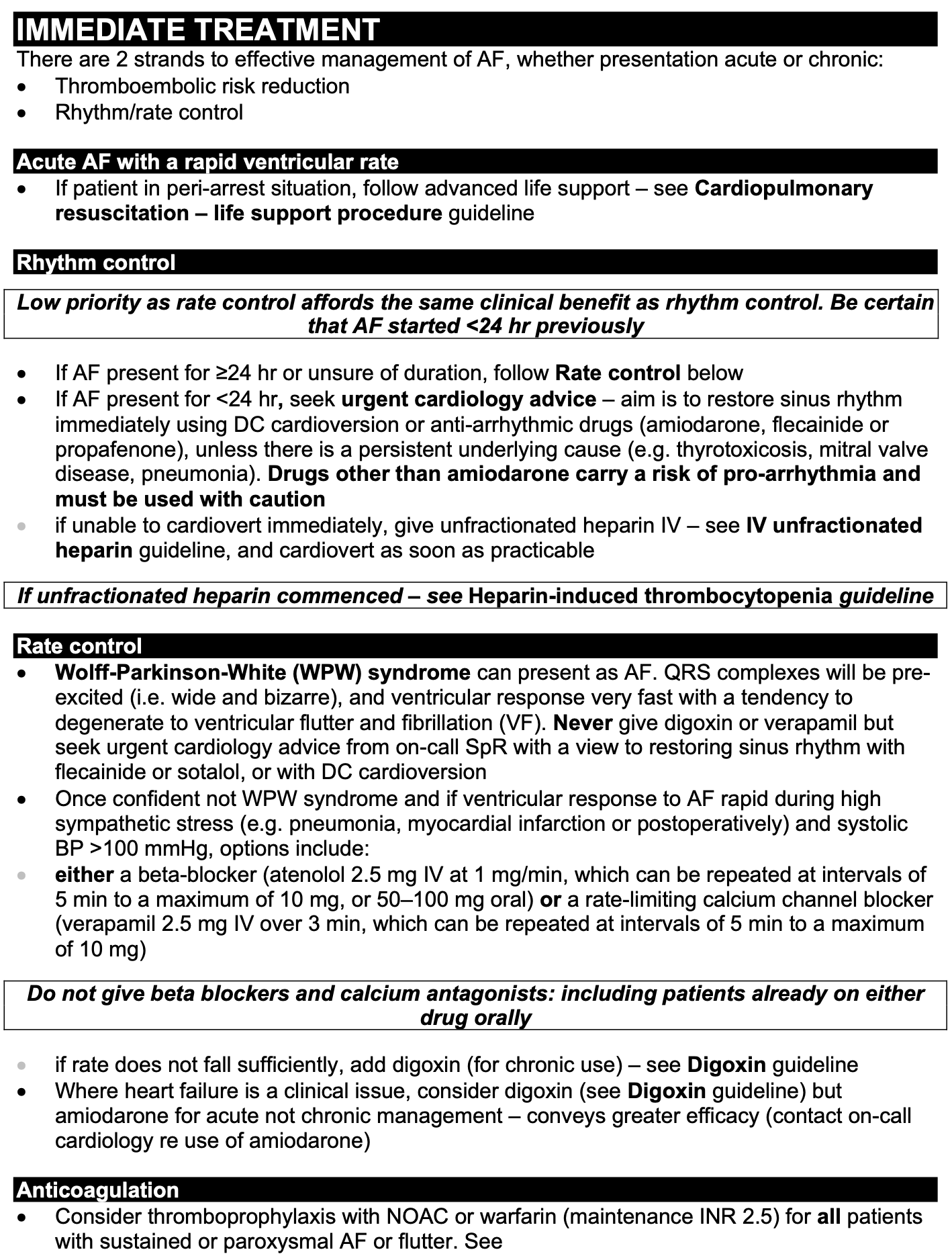
Original Atrial Fibrillation guideline, dense text

Atrial Fibrillation, wall of dense clinical text, complex bold/italic formatting, and multi-level bullets that require careful reading, not scanning.
Original guideline
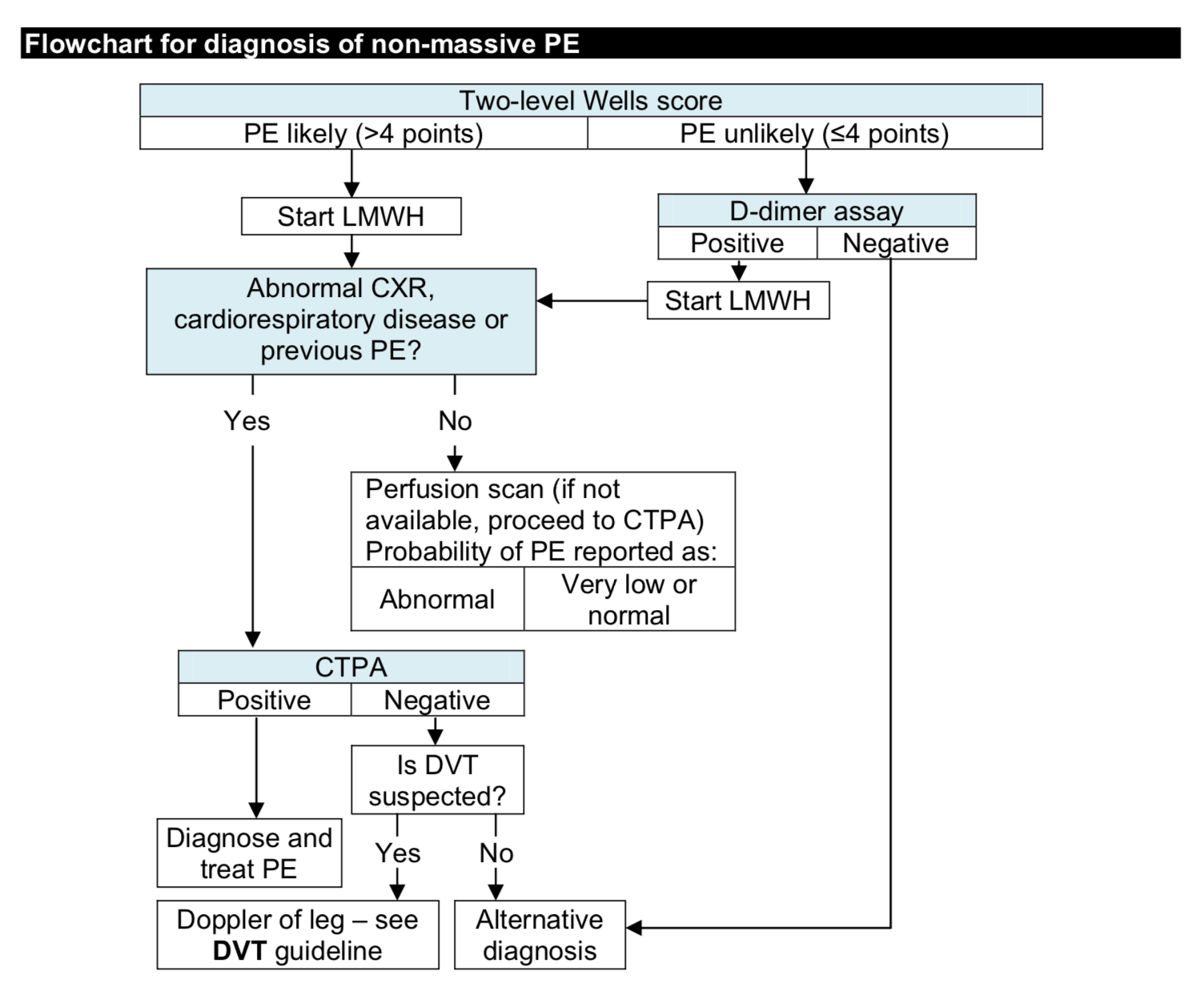
Original PE diagnostic flowchart

Pulmonary Embolism diagnosis, a complex branching flowchart impossible to follow on a mobile screen under ward conditions.
Original guideline
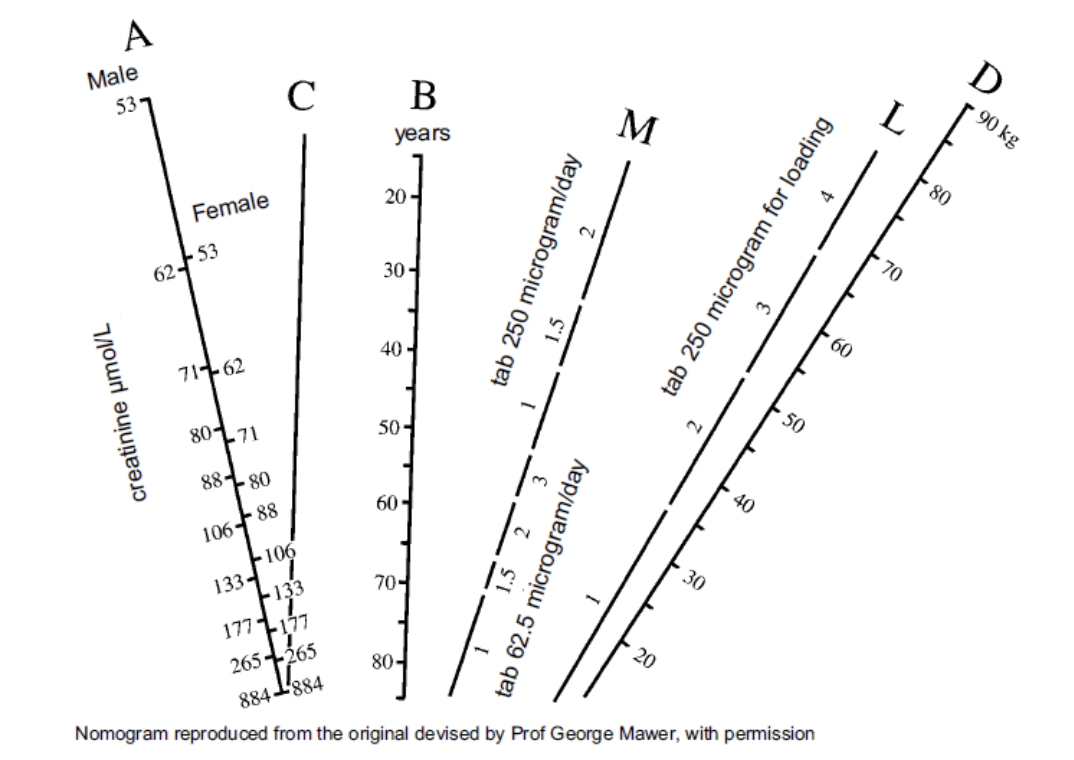
Original Gentamicin nomogram, manual calculation required

Gentamicin dosing, a nomogram requiring manual calculation using ruler and pencil interpolation, performed under time pressure at the bedside.

The Solution

A rethink from the ward outwards.

This project was my PhD at Keele University, in close collaboration with University Hospital North Midlands NHS Trust. Working alongside respiratory physicians, nurses, and junior doctors through contextual inquiry and iterative usability evaluation, every design decision was shaped by observed clinical behaviour, not assumed needs.

The result was the Bedside Clinical Guidelines (BCG) iOS app, 150 guidelines restructured into a two-tier visual hierarchy, with inline calculators, embedded decision tools, and a co-designed warning system. Deployed within UHNM NHS Trust, evaluated across five published studies, and producing 15 peer-reviewed design recommendations.

150

Guidelines

5

Papers

NHS

Deployed
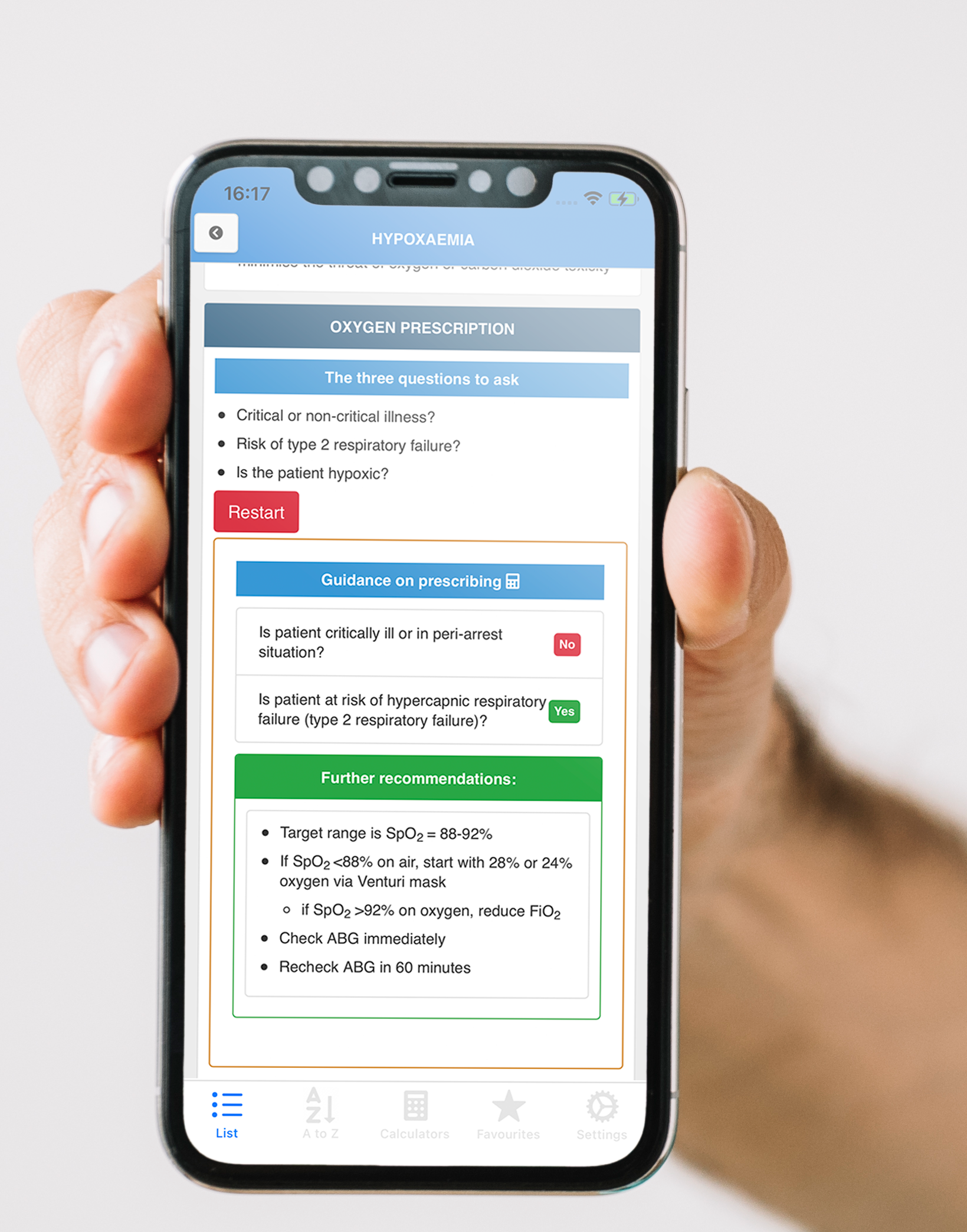
Clinician holding phone showing BCG app

Methodology

A five-study UCD programme, from ward observation to deployed iOS app.

The work combined contextual inquiry, information architecture, iterative prototyping, usability science, and clinical deployment, each stage producing published outputs and informing the next.

01 Observe

Contextual inquiry

Shadowing, interviews, and task analysis identified ward constraints: unreliable Wi-Fi, seconds-long decisions, mobile reading, and gloved interaction.

Electrolytes
Cardiology
Respiratory
Emergency

02 Structure

Information architecture

Open and closed card sorting translated clinical mental models into a two-level navigation taxonomy and search-first information structure.

03 Prototype

Iterative design

Low-fidelity sketches, digital mockups, and working iOS prototypes refined typography, tap targets, content hierarchy, and decision tools.

SUS + QoE

04 Evaluate

Usability science

Clinicians completed representative tasks using SUS, think-aloud protocols, timing/error measures, and physiological signal capture.

Live pathway

05 Deploy

Clinical implementation

The offline-first app was deployed within UHNM, validating the route from field insight to governed content and real clinical use.

The App

Clinical guidelines, rebuilt for the ward.

01 · Navigation

Every guideline in 2–3 taps.

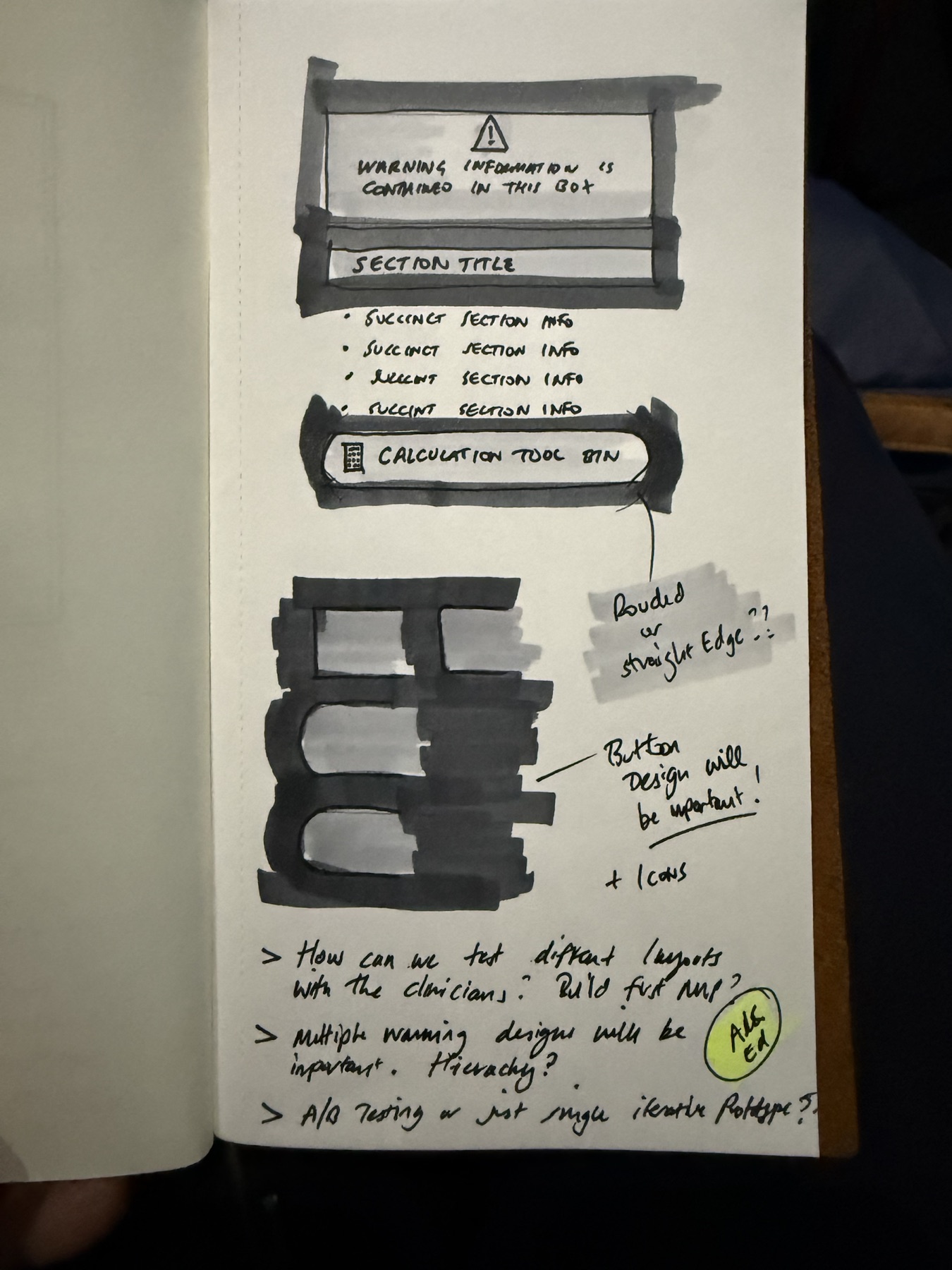
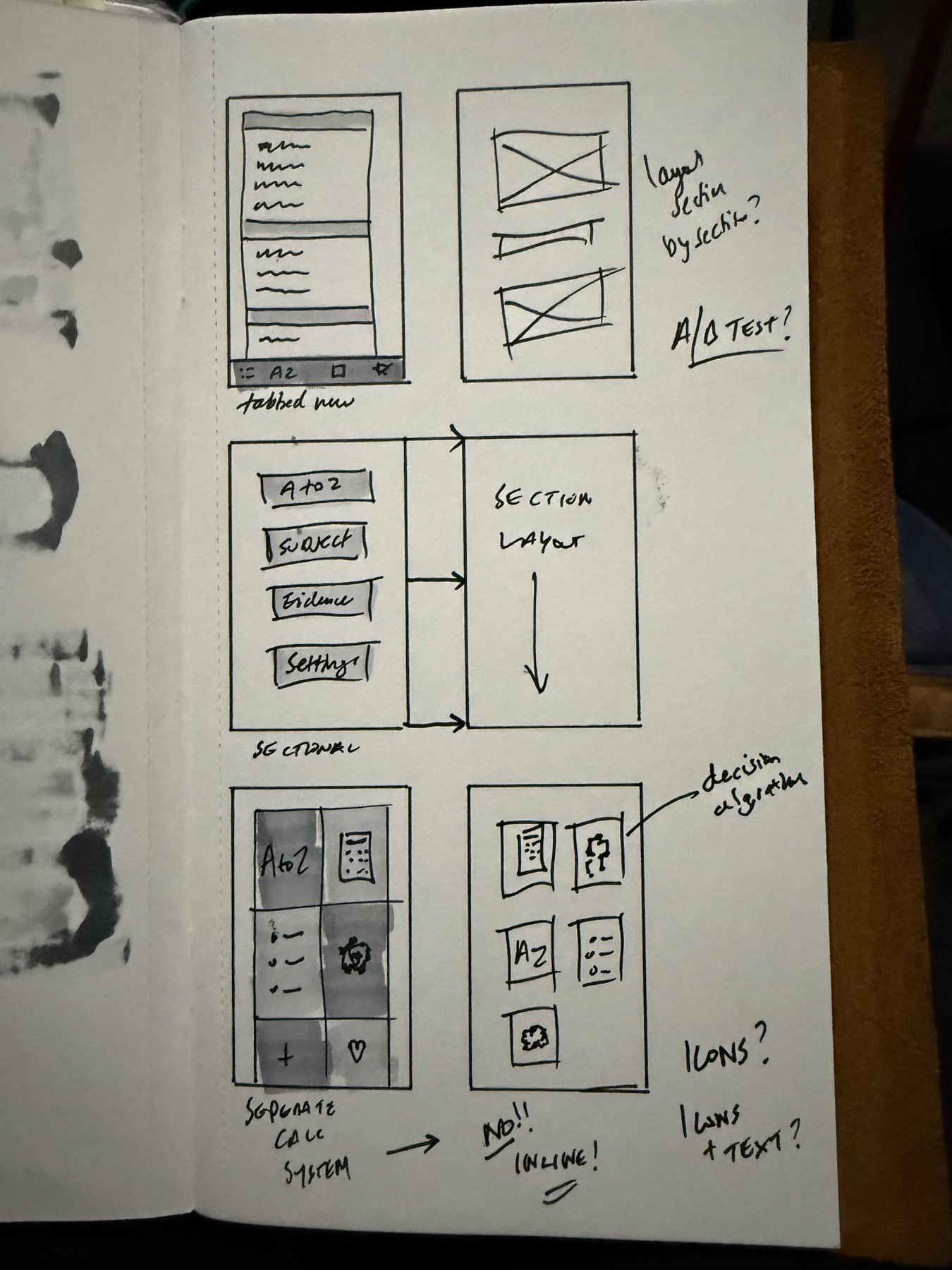
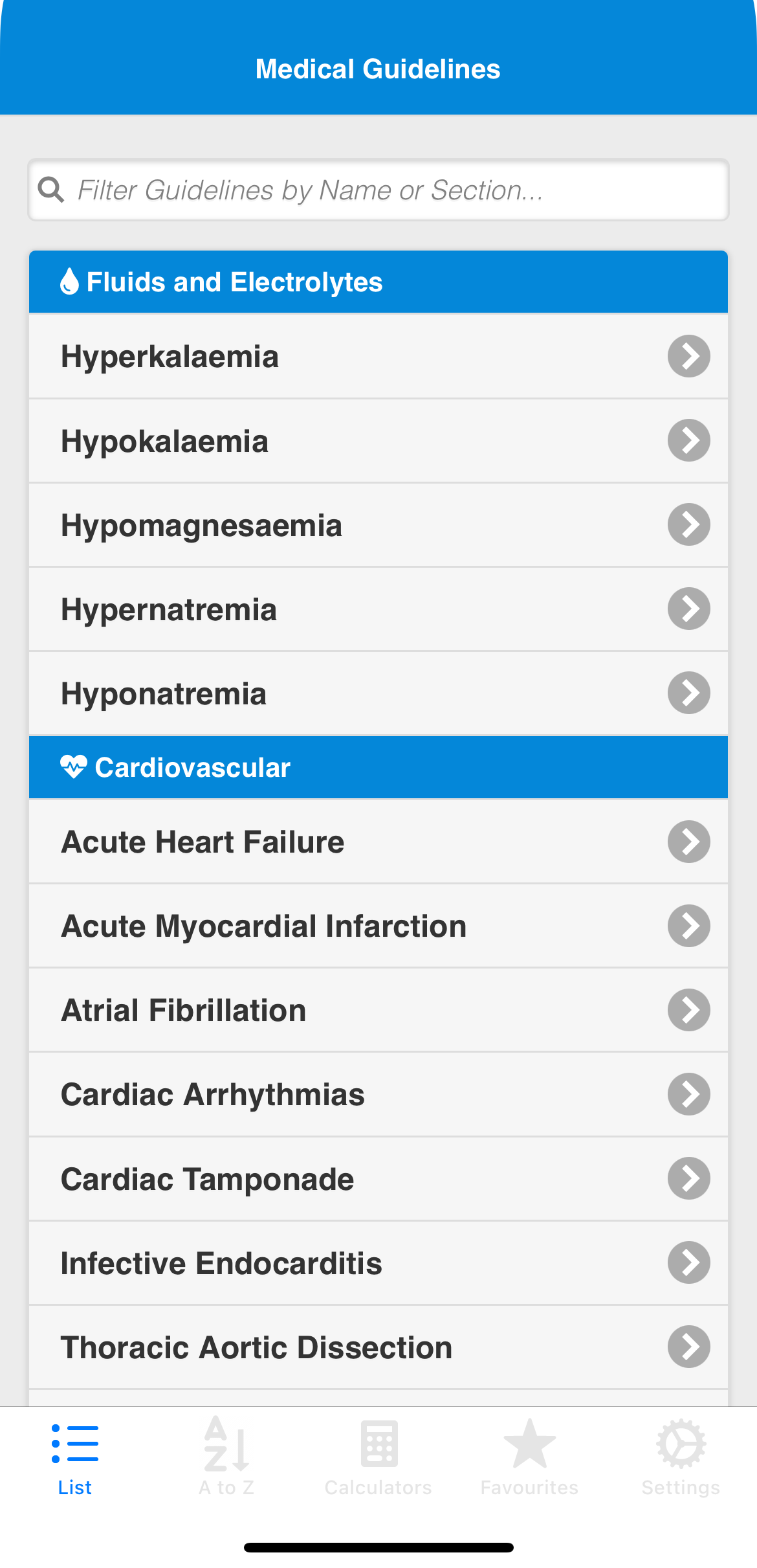
Card sorting with NHS clinicians shaped a two-level navigation taxonomy that mirrors clinical mental models rather than administrative filing structure. Categories reflect how clinicians think: Fluids, Cardiovascular, Respiratory, Neurology.

A persistent tab bar provides instant access to the category list, A–Z view, calculators, and favourites at any depth in the navigation hierarchy.

Category browsing A–Z view Persistent tabs
Guideline navigation screen

Content hierarchy

Print guideline to scannable care pathway

Before

Dense document

After

Two-tier hierarchy
Immediate Assessment
Oxygen and observations

Give oxygen if saturations below target range.

Escalate if respiratory rate, work of breathing, or consciousness deteriorates.

Major phase + clinical task + action text

02 · Content design

Complex information, designed for scanning.

NHS clinical guidelines are written for print. The BCG app restructures each guideline into a two-tier visual hierarchy, dark section headers for major clinical phases, blue subsection banners for clinical tasks, so clinicians can locate the exact piece of information they need in seconds.

Typography, tap target sizes, and contrast ratios were all specified to work under ward conditions: bright overhead lighting, gloved hands, and sub-five-second decision windows.

Two-tier hierarchy Section search 150 guidelines

03 · Decision support

Decision algorithms and calculations, automated and inline.

In the original guidelines, decision algorithms were static flowcharts requiring manual navigation, and drug dosing calculations had to be worked through by hand at the bedside, on paper, under time pressure.

The BCG app makes both fully automated and inline. Decision algorithms run as interactive, step-by-step tools. Dosing calculators take patient parameters as inputs and return the correct dose and infusion volume directly.

Automated dosing Interactive algorithms Inline results

Inline decision support

Manual work becomes guided interaction

Original

Nomogram

BCG

Weight 72 kg
Creatinine 220

Calculation result

Inline

Clearance

47.21

ml/min

Loading dose

2 g

returned immediately

Decision pathway

Input
Branch
Action

Critical, immediate action

If aortic dissection suspected, refer for urgent investigation. Do not delay, mortality is 1% per hour and can be reduced by prompt treatment.

Hypotonic or potassium-rich maintenance fluid is inappropriate when given in large volumes required for resuscitation.

To check you are using the correct guideline, see the Adult Fluid Management guideline.

04 · Safety warnings

Warnings designed for clinical attention.

Alert fatigue is a documented failure mode in clinical decision support. The BCG warning system classifies each alert into one of nine severity categories, using Font Awesome's warning triangle for red and orange alerts and a stop-hand icon for blue cross-reference alerts, each co-designed and validated with respiratory physicians and emergency nurses.

The design went through extensive saliency experimentation. Dozens of colour, size, weight, border, and layout variations were explored before converging on the final system. At one stage, a scroll-triggered vibration was prototyped so that a critical alert physically shook when it entered the viewport. The red warning demonstrates this on scroll.

9-category system Colour-coded severity Saliency-tested Vibration explored Clinician co-designed

Design iterations

Saliency experiments and alternate treatments

Before converging on colour-filled blocks, multiple visual treatments were tested for saliency, including outlined alerts, high-contrast dark treatments, compact inline warnings, and animated attention signals.

Outlined, early iteration

Dopamine must only be used in critical care and administered preferably via a central line.

Dark background, high contrast

Dopamine must only be used in critical care and administered preferably via a central line.

Pulsing ring, attention signal

If aortic dissection suspected, refer for urgent investigation. Do not delay.

Amber, referral category

If arrhythmia causing hypotension or requiring pacing, seek urgent advice from cardiology team.

Compact inline, minimal variant

Dopamine: critical care and central line only.

Check you are using the correct guideline.

Animated popup, scroll trigger

If aortic dissection suspected, refer for urgent investigation. Do not delay.

Warnings & Alerts Recommendations

13

Minimise the total number of warnings and alerts to avoid alert fatigue. Only safety-critical information should trigger a high-visibility alert.

14

Display warnings in line with relevant content, salient in visual design, succinct in wording, and explicit about the action or risk involved.

15

Repeat warning content within the surrounding main information text so clinicians who miss the alert box still encounter the safety information.

Key Findings

What clinicians need at the bedside.

Three findings from across the UCD process recurred consistently and shaped the final design recommendations.

01

Minimal-tap navigation

Clinicians need to reach the correct guideline in 2–3 taps. Deep hierarchies and nested menus fail in busy clinical contexts. The card sorting data directly determined the two-level navigation model adopted in the final app.

02

Offline-first architecture

Wi-Fi is unreliable on wards. Network dependency is a critical usability failure in clinical settings, identified directly through contextual inquiry. All content was bundled locally, eliminating any dependency on hospital network connectivity.

03

Typography & visual density

Information density, font size, and contrast matter when reading on a phone under bright ward lighting or while wearing gloves. Small screens in clinical environments demand deliberate visual design decisions absent from general mobile UI guidance.